
I lost a tooth: what are my options, and why it is better not to wait
Implant, bridge or removable denture: how each option works, what to keep in mind and what happens to your mouth when a gap is left empty.
By the Ponce Odontología team · · 3 min read
Losing a tooth is more common than it seems: from a cavity that progressed, a fracture, a knock or gum disease. Many people leave it as it is, especially if the gap does not show when they smile. But a missing tooth affects the whole mouth, and the longer you wait, the harder it can be to replace.
What happens when a gap is left empty
- Neighboring teeth tend to tilt into the space.
- The opposing tooth can drift down or up, since it no longer has anything to meet.
- The bone in that area, no longer stimulated, gradually shrinks.
- Chewing becomes less efficient, and one side of the mouth may take more load.
- If the tooth is visible, the smile and lip support change.
So even if it does not hurt, it is worth having it assessed soon.
Options to replace it
Dental implant
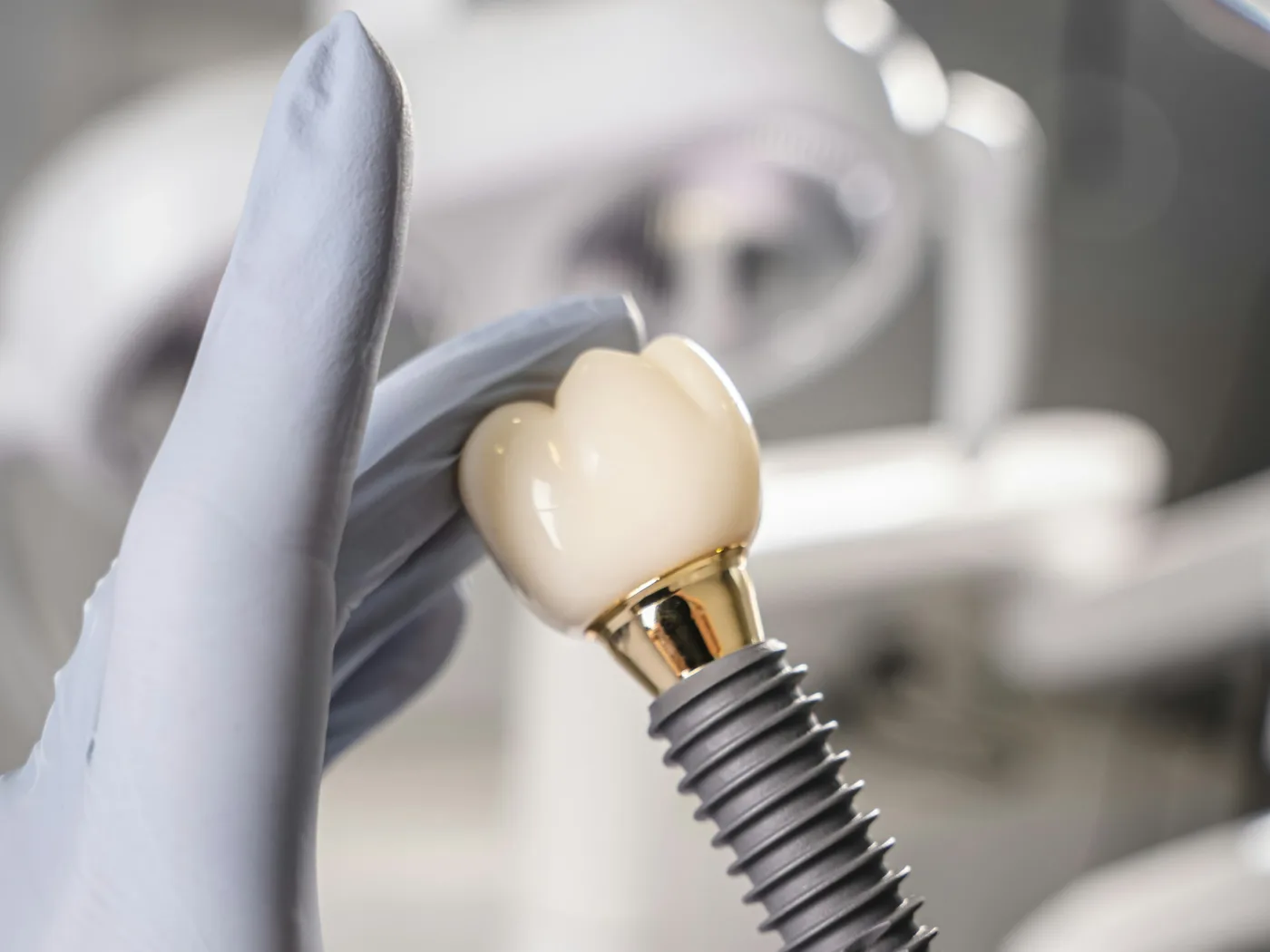
An implant is a post, usually titanium, placed in the bone where it works as the tooth’s root. A crown is placed on top to replace the visible part.
- Advantages: neighboring teeth are not reshaped, it helps preserve bone and it feels very much like a natural tooth.
- Keep in mind: it requires enough bone and healthy gums, and the process takes time. In some cases a temporary tooth can be placed quickly; in others the implant must first integrate with the bone.
Fixed bridge
A bridge replaces the missing tooth by resting on the neighboring teeth, which are reshaped to receive crowns joined together.
- Advantages: it is fixed and is usually completed faster than an implant.
- Keep in mind: it means reshaping neighboring teeth even if they are healthy, and cleaning under the bridge takes extra care.
Removable denture
An appliance you put in and take out, which can replace one or several teeth.
- Advantages: usually the lowest-cost option, with no surgery.
- Keep in mind: it is less stable when chewing and takes getting used to.
What decides the best option for you
- The amount and quality of bone, assessed with X-rays or a CT scan.
- The health of your gums and neighboring teeth.
- Your general health: some conditions, such as uncontrolled diabetes or smoking, affect healing.
- How many teeth are missing and where.
- Your budget and timeline.
What the implant process looks like
- Consultation, X-rays and bone assessment.
- Treatment plan with timelines and costs in writing.
- Implant placement under local anesthesia. If you feel very anxious, we can assess sedation.
- Healing and integration with the bone, which varies by case.
- Crown placement and follow-up.
If the tooth was knocked out
If a permanent tooth comes out completely after a knock, time matters. Hold it by the crown, not the root; if it is dirty, rinse it briefly without scrubbing; keep it in milk and seek care as soon as possible. In some cases it can be put back.
This article is for information only and does not replace a consultation. The right option depends on the studies and the specialist’s assessment.
Next step
See dental implants